
When the body struggles to heal on its own, modern regenerative medicine offers promising options that support repair in a more biologically friendly way. One of the most exciting approaches is cellular tissue allograft therapy, a treatment that uses donated human tissue to help the body rebuild damaged areas and restore function. From stubborn wounds to orthopedic injuries, this therapy is gaining attention for its ability to support the body’s natural healing response.
In this guide, we’ll explore what cellular tissue allografts are, how they work, who may benefit, and what to expect during treatment—so you can make informed decisions about your healing journey.
What Is Cellular Tissue Allograft Therapy?
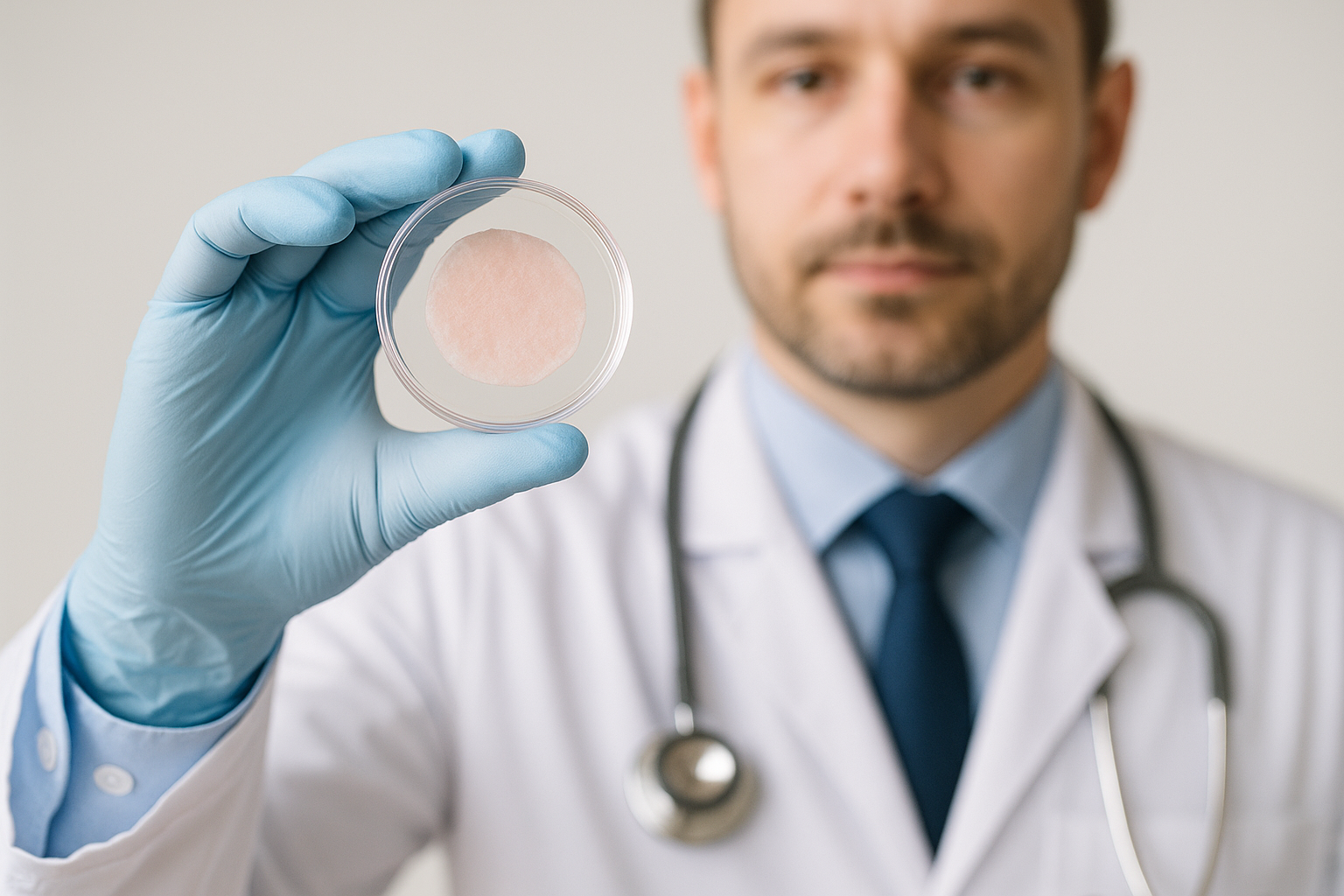
Cellular tissue allograft therapy is a regenerative treatment that uses human donor tissue—typically processed and prepared under strict standards—to support tissue repair. “Allograft” simply means tissue donated from one person to another. These grafts can be used in a range of clinical settings, including wound care, sports medicine, podiatry, and orthopedic procedures.
What makes a cellular tissue allograft distinct is that it may contain naturally occurring biological components that help support healing, such as the tissue’s native structure and signaling elements. In many cases, these grafts are designed to provide a scaffold-like environment that encourages the patient’s own cells to migrate into the area and begin rebuilding.
How Cellular Tissue Allografts Support Natural Healing
Healing is a complex process that relies on the right environment: structural support, balanced inflammation, adequate blood flow, and healthy cellular activity. When healing stalls—especially in chronic injuries or wounds—the body may need a “reset” or a more supportive framework. That’s where cellular tissue allografts can help.
Providing a Supportive Scaffold
Many cellular tissue allografts act as a biological scaffold. Think of it as a supportive foundation that helps the body rebuild. This scaffold can guide cell migration and encourage organized tissue formation, which is essential for proper repair and function.
Helping Create an Optimal Healing Environment
Regenerative therapies often focus on improving the local tissue environment. Cellular tissue allografts may help support a more favorable setting for healing by offering a natural tissue framework and biological cues that encourage repair rather than prolonged inflammation.
Supporting Tissue Remodeling
Healing doesn’t stop when a wound closes or pain reduces. The body continues to remodel tissue over time to strengthen the repaired area. Cellular tissue allografts may help support this remodeling phase by providing a matrix that encourages more organized tissue development.
Common Uses for Cellular Tissue Allograft Therapy
Cellular tissue allografts are used across many specialties, often when healing has slowed or when an injury requires added support. Here are some of the most common applications.
Chronic and Hard-to-Heal Wounds
Some wounds don’t heal efficiently due to poor circulation, underlying conditions, or repeated stress on the area. Clinicians may use cellular tissue allografts in wound care settings to help support tissue closure and reduce healing time in appropriate candidates.
Tendon, Ligament, and Soft Tissue Injuries
In sports medicine and orthopedics, cellular tissue allografts may be used to support healing in soft tissue injuries—particularly when tissue quality is compromised or when a patient needs additional biological support during recovery.
Foot and Ankle Conditions
Podiatry clinics may use cellular tissue allograft therapy for certain foot and ankle concerns, especially where tissue integrity and mobility are impacted. This can be particularly relevant for active individuals and patients with recurring tissue breakdown.
Post-Surgical Tissue Support
In some procedures, allografts can be used to help reinforce a repair or support healing after surgery. The goal is often to improve outcomes by encouraging healthier tissue formation during recovery.
Benefits of Cellular Tissue Allograft Therapy
While every patient’s situation is different, cellular tissue allograft therapy is often considered for its potential advantages in supporting healing.
- Regenerative support: Encourages the body’s natural repair processes rather than relying only on symptom management.
- Biological compatibility: Uses human tissue structures that can integrate well with the body’s healing response.
- Versatile applications: Used in wound care, orthopedics, podiatry, and other specialties.
- May reduce healing time: In appropriate cases, can help move stalled healing forward.
- Non-drug approach: Often complements or reduces reliance on long-term medication strategies in certain plans of care.
What to Expect During Treatment
The exact experience depends on your condition and how your provider uses the allograft. In many cases, the tissue is applied or placed in the targeted area during a procedure or in a clinical setting. Your clinician will explain the plan, including preparation, aftercare, and follow-up visits.
Evaluation and Candidacy
Before recommending cellular tissue allograft therapy, a provider will evaluate factors like the severity of the injury, tissue condition, circulation, infection risk, and overall health. This helps determine whether an allograft is appropriate and which type may be best suited to your needs.
Aftercare and Recovery
Recovery varies widely. You may need to protect the treated area, adjust activity levels, or follow specific wound care instructions. Consistent follow-up is important, as your provider will monitor progress and modify treatment as needed.
Is Cellular Tissue Allograft Therapy Right for You?
If you’re dealing with a wound that won’t close, a lingering soft tissue injury, or a recovery that seems stuck, cellular tissue allograft therapy may be worth discussing with a qualified specialist. The best candidates are typically those whose condition can benefit from added biological support and who can follow a structured aftercare plan.
It’s also important to choose a clinic that prioritizes safety, transparent sourcing, and evidence-informed protocols. Ask your provider how the allograft is selected, how it’s processed, and what outcomes they typically see for cases like yours.
Final Thoughts: Healing That Works With Your Body
The promise of regenerative medicine is simple: help the body do what it was designed to do—heal. The healing power of cellular tissue allograft therapy lies in its ability to support tissue repair by providing a biologically active framework that encourages recovery. Whether you’re navigating chronic wounds, orthopedic concerns, or post-surgical healing, this approach may offer a meaningful path forward.
Ready to learn more? Talk with a qualified provider to explore whether cellular tissue allograft therapy fits your diagnosis, goals, and timeline—and take the next step toward stronger, healthier healing.