
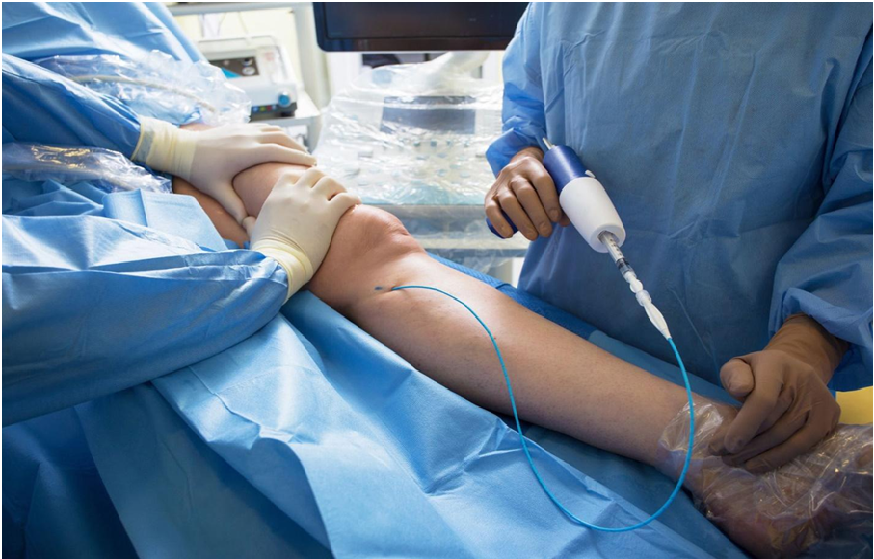
Endovascular care is built on fast decisions and tight margins. A team might be reopening a narrowed vessel, treating an aneurysm, or restoring flow in a limb, and the “right next step” can change quickly once imaging and anatomy are fully clear. In that environment, supplier selection is not just a purchasing task. It is part of clinical readiness. The right partner helps teams keep device performance consistent, keep rooms stocked without surprises, and support safer, smoother procedures that hold up across shifts and case complexity.
Match the Device Portfolio to Real Case Mix
The best selection starts with clarity on what the facility treats most often. A high-volume coronary program will value different device characteristics than a centre focused on complex peripheral work. Teams do better when they map their common indications, access preferences, and typical anatomy challenges, then check whether the supplier’s portfolio truly fits those needs. A broad catalogue is not automatically a benefit if it creates confusion at the point of use.
It also helps to involve the full room early. Clinicians can speak to trackability and deployment control, while technologists and nurses notice setup friction, labelling clarity, and whether kits are easy to stage. When they gather feedback from real cases, not just spec sheets, selection becomes more practical. They end up standardising around what works reliably, rather than what simply looks impressive in a brochure.
Medical Device Stock Stability and Clear Substitution Rules
Even excellent clinicians struggle when supplies are unreliable. One missing wire length or an unexpected kit change can slow a case before the first image is taken. Strong medical device distribution reduces these disruptions by planning stock around real usage patterns, not generic par levels. When replenishment is consistent, staff stop borrowing between rooms and stop adapting to “whatever is available,” which keeps workflows more predictable.
Substitutions need discipline, too. If a swap is unavoidable, teams should receive early notice, a simple explanation of what changed, and reassurance that compatibility has been checked in the real workflow. This prevents last-minute improvisation and reduces setup errors. Over time, controlled substitutions protect outcomes because staff follow a familiar routine more often, and unfamiliar steps do not creep into urgent cases.
Prioritise Consistency, Not Only Features
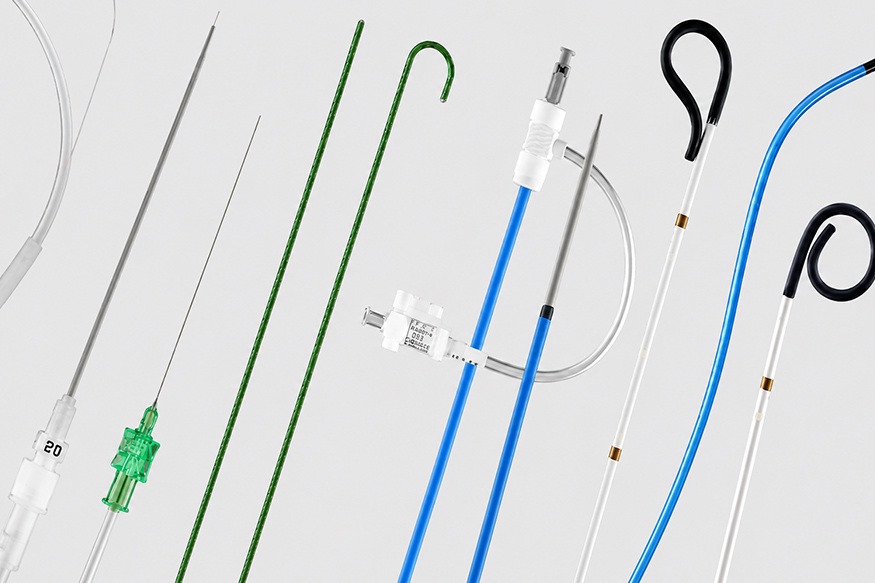
Advanced devices matter, but consistent performance matters more. Teams need predictable handling, clear sizing logic, and smooth compatibility with common tools in the suite. When a device behaves differently from what staff expect, they pause, double-check, and sometimes pivot mid-case. Those moments add time and stress, and they can affect patient experience. A strong evaluation looks at repeatability across operators, not just one perfect trial run.
They should also ask how the supplier manages updates and variations. Small changes in coating, packaging, or accessory components can affect prep steps and staff confidence. If changes appear without clear notice, teams waste time troubleshooting issues that are not clinical. Suppliers who communicate changes early, in plain language, and support quick refresh guidance help keep technique steady and reduce avoidable variation over time.
Endovascular Supplier Training and Rapid Workflow Support
Training should match real shift conditions. Busy suites do not benefit from long sessions that cover everything except what the staff actually do in setup. A dependable endovascular device supplier supports short, practical guidance: safe defaults, common checks, and first-step troubleshooting for issues that slow cases down. When training is built around repeatable routines, confidence rises quickly, especially for new staff or rotating team members.
Support also includes how quickly questions get answered mid-week. If staff need compatibility confirmation, sizing clarification, or a fast fix for a recurring setup issue, they should know exactly who to reach. Clear escalation paths and realistic response expectations reduce stress and prevent unsafe workarounds. When the supplier relationship feels structured and easy to use, the suite stays calmer, and staff spend more time on clinical decisions.
Verify Traceability and Compliance Readiness
Traceability is not only a compliance checkbox. It becomes critical the moment a safety notice or recall arrives. Strong medical device distribution supports clean lot tracking, stable product identification, and documentation that makes it easy to confirm what was received and where it went. When records are clear, teams can quarantine affected items quickly and keep the rest of the schedule moving with less disruption.
Facilities should also ask how data is handled across locations and departments. Multi-site providers benefit when labelling, receiving checks, and storage logic are consistent, because staff can follow the same habits everywhere. Clear documentation also supports quality review, since leaders can connect time periods to specific versions when investigating trends. The goal is simple: decisions based on facts, not memory, when something needs urgent action.
Choose a Partner That Scales with Clinical Growth
Endovascular programs often expand, adding procedure days, new techniques, or broader case complexity. A strong endovascular device supplier supports that growth by helping teams plan inventory ranges, stage common kits, and keep rescue options ready without cluttering rooms. When expansion is planned with supply continuity in mind, the program avoids painful stop-start periods where volume rises, but readiness does not.
They should also look for a partner who understands how standardisation supports flexibility. When rooms share consistent setups, staff can float with fewer mistakes, and training becomes easier to maintain. The tradeoff is that standardisation can feel restrictive at first, but it often pays back through fewer delays and cleaner performance reviews. Over time, a scalable approach protects outcomes and helps the program grow without creating daily chaos.
Conclusion
Selecting the right supplier supports better outcomes by improving consistency across the entire endovascular workflow: device performance, stock readiness, training quality, and compliance response. When teams reduce supply surprises and control change, they spend less time troubleshooting and more time focused on patient care. A strong partner also makes standardisation easier, which improves training, reduces variation between rooms, and helps programs maintain stable performance as volumes rise.
Nexamedic supports endovascular teams that want dependable continuity by coordinating practical product availability, clear documentation, and structured support aligned with real clinical needs. Their approach helps reduce disruption from substitutions, keeps traceability organised, and supports steady day-to-day readiness in demanding environments where timing and consistency matter.
Frequently Asked Questions
Question: What should teams evaluate first when comparing supplier options?
Answer: They should start with clinical fit and workflow reliability. That means predictable performance, clear sizing logic, and support that matches real practice. It also helps to review stock stability, substitution rules, and response speed for questions or issues. A supplier that makes daily work smoother usually improves consistency across shifts.
Question: How can a facility reduce delays caused by missing items?
Answer: They can map their highest-use items, set realistic minimum stock levels, and stage common kits consistently across rooms. Clear storage locations and simple reorder routines reduce last-minute borrowing. Facilities also benefit from controlled substitutions, because unplanned changes often add extra prep steps and slow case starts.
Question: Why does change communication matter so much?
Answer: Small updates can affect setup steps, compatibility, or staff confidence. If teams learn about a change mid-case, they lose time and may rely on workarounds. Clear notices and simple explanations help staff adapt safely. Over time, good change control reduces repeated errors and keeps the technique more consistent across teams.
Question: What training support tends to help the most?
Answer: Short, practical training that focuses on setup routines, safe defaults, and first-step troubleshooting. Refreshers after updates or new product rollouts are especially useful. When training fits real workflow, staff confidence improves quickly, and minor issues are less likely to interrupt a full procedure list.
Question: How does standardisation improve outcomes in endovascular care?
Answer: Standardisation reduces variation in setup, device selection, and prep steps. That makes training easier, reduces mistakes when staff rotate, and helps teams compare performance more accurately across rooms. While it can feel limiting at first, standardisation usually improves speed, consistency, and overall workflow stability as volumes grow.