
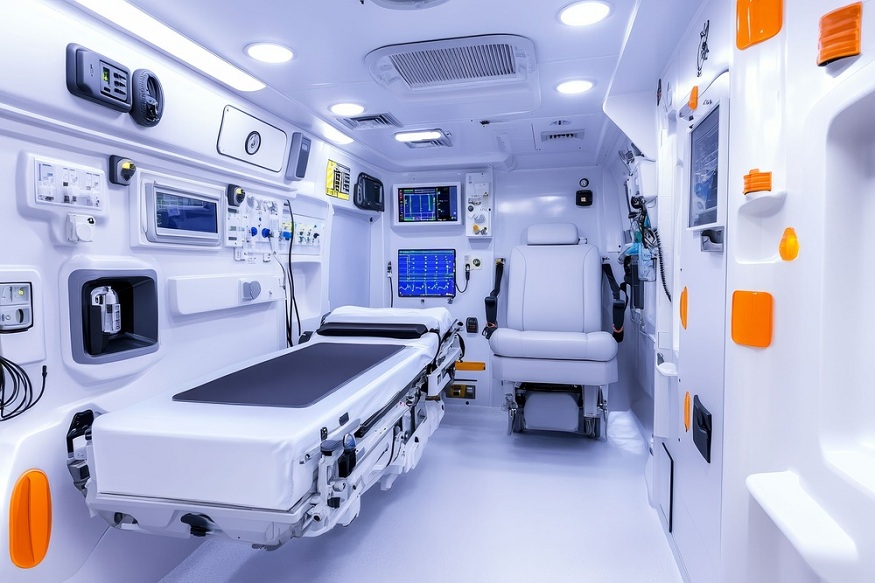
Medical evacuation helicopters work miracles, but only if someone sets them up right. The gap between life-saving success and tragic failure? It’s smaller than you’d think. Sometimes it’s just an oxygen outlet mounted three inches too far away. Or a monitor nobody can see from the working position. Maybe it’s overhead lighting that creates glare on critical displays. These tiny mistakes compound into massive problems when seconds count and patients are dying.
Equipment Placement Changes Everything
Where you stick medical gear matters. Paramedics can’t waste time trying to reach a medication drawer. But walk through half the medevac helicopters out there, and that’s exactly what you’ll find: layouts that fight against the people trying to save lives.
Oxygen ports should sit right where medics work. Not behind them. Not above their heads. Right there. The same goes for suction equipment. Defibrillators? They better come free fast when someone’s heart stops. Mount them wrong and watch precious seconds tick away while crews wrestle with release mechanisms.
Read More: Managing Chronic Discomfort: How a Chiropractor in Fargo Can Help You Reclaim Your Health
Here’s what really gets expensive: lopsided weight distribution. Stack all your heavy stuff on the port side because it seemed convenient during installation? Your pilot’s now burning extra fuel fighting asymmetric loads. That “minor” layout choice just cost you thousands in wasted gas and shortened range.
Power Systems and Electrical Considerations
Ventilators don’t run on hope. Nor do cardiac monitors or IV pumps. Redundancy isn’t optional here. Main power feeds the normal stuff. Backup circuits stand ready when things go sideways. Battery banks add another safety layer. Yes, triple redundancy costs money. Know what costs more? Explaining why someone died because a five-dollar circuit breaker popped.
Cable routing is possibly the most boring topic ever, until a wire wraps around something important. Or blocks an emergency exit. Or melts against an exhaust component. Good installers treat wiring like plumbing. Protected paths. Proper supports. Easy access for repairs. The guys who do this right? You never hear about them because nothing goes wrong.
Protection and Safety Integration
Not every air medical flight happens in friendly skies. Some crews work where people shoot at helicopters for sport. Others fly into neighborhoods where ambulances get robbed. This reality drives demand for aircraft armor systems that actually make sense. LifePort gets this balance right; their protective solutions shield crews from threats without turning the cabin into a cramped bunker. The armor goes where bullets might come from, but medics still have room to work. Weight stays manageable.
Read More: How to Choose the Ideal Anti Aging Clinic for Your Unique Skin Type and Personal Goals
Don’t forget about weather. Arizona summers cook patient compartments into ovens. Minnesota winters turn them into freezers. Medicine goes bad at temperature extremes. Electronics fail. Patients suffer. Skipping climate control for minor savings often results in crews being unable to function in peak summer or winter.
Certification Requirements and Standards
The FAA has zero sense of humor about paperwork. Every modification needs documentation. Big changes require Supplemental Type Certificates. Smaller tweaks need field approvals. Miss a form? Your helicopter becomes the world’s most expensive lawn ornament. Weight and balance sheets need constant updates. Add a new monitor? Update the records. Change battery types? Update again. Pilots fly with these numbers. Wrong data equals wrong decisions. Sometimes fatal ones. Operators should be frightened into compliance by the liability, but they aren’t.
Conclusion
Medevac configuration success lives in the margins. It’s about sweating details others ignore until disaster strikes. Smart operators obsess over outlet placement, power redundancy, and proper documentation during setup. They spend extra time and money getting it right once. The alternative? Years of dangerous workarounds, frustrated crews, and compromised patient care. When someone’s dying in your helicopter, you’ll wish you’d worried more about those boring little details during configuration.